Storytelling : A Kueh Lapis Story Influences Decision Making
Anjali Sharma
Director of Narrative
Published Date
November 1, 2018
A group of government officials have come up with an idea, to launch a website that informs traveller's coming into Singapore what they can and can't bring into the country. They are required to present this idea to senior officials for a project sponsorship.
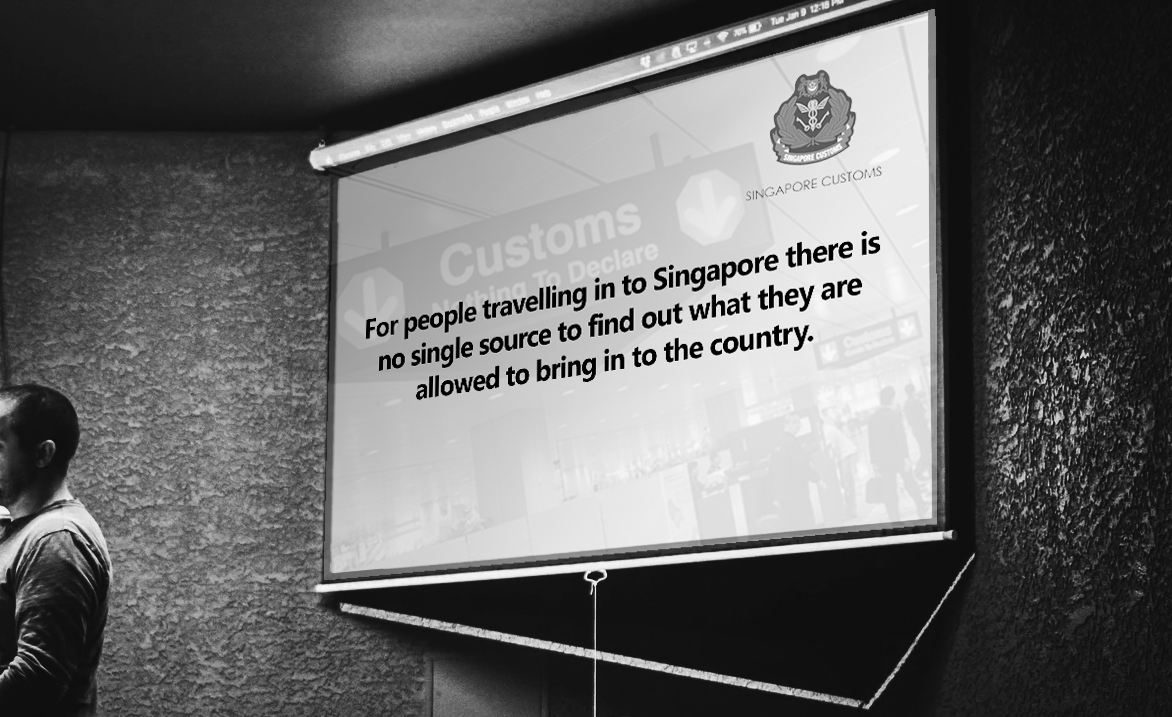
Thier presentation begins with explaining the problem. The problem statement is projected on the slide
For people travelling into Singapore there is no single source to find out what they are allowed to bring into the country.
After establishing the problem statement they started showing the prototype of the website they have developed.
There is a problem with this approach. What is it?
Now, as an audience, I am thinking
- I am sure we can google this information.
- Is Bringing into Singapore Items policy so complex that I need a website for it? Can't be...
These thoughts mushroom in to the audiences' head and become a distraction
Here is how we changed the presentation.
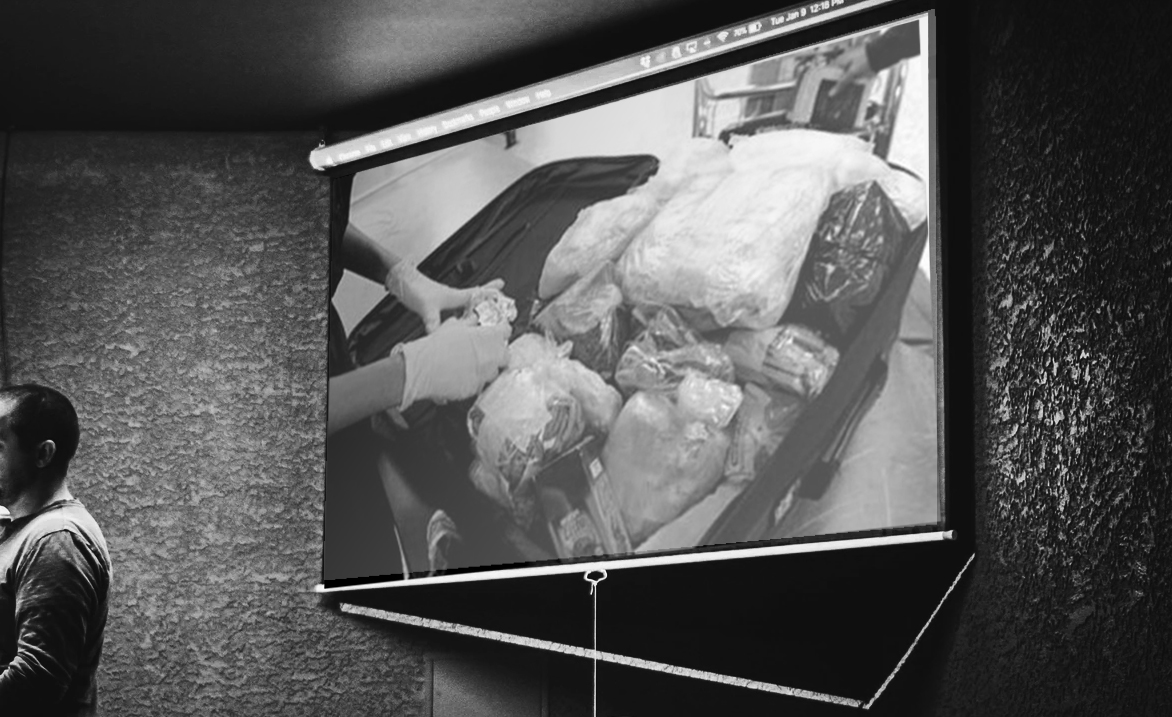
The presentation started with a scene at Singapore Customs which was projected on the screen
A gentleman named Richard is crossing customs and is asked by the customs officer to open his bag. Richard boarded the flight from Jakarta. Customs officer finds 7 Kgs of Kueh Lapis ( a steamed layered cake ) in Richard's bag. Richard is informed by the customs officer that he is not allowed to bring 7 kgsof Kueh Lapis into Singapore. Richard is shocked to hear that.
At this point, the presenter asks the audience to use thier mobiles and find out if this information is available online. Of course, no one could find it quickly. And that is how we demonstrated the problem versus state the problem.
Demonstration combined with Storytelling often leads to great outcomes.
This article explores why storytelling is often misunderstood, why trusted advisors need more than logic alone, and how organizations can move from competing on price and execution to competing on insight and value.
Creating content for attention is easy. Creating content that builds lasting affinity is much harder. In this blog, I reflect on the difference between short-form and long-form content, why enduring work compounds over time, and what writing a book taught me about credibility, trust, and meaningful impact.
This article explores how resonance and unexpected moments make leadership storytelling more engaging, using a real transformation project called “Da Vinci” as an example.